
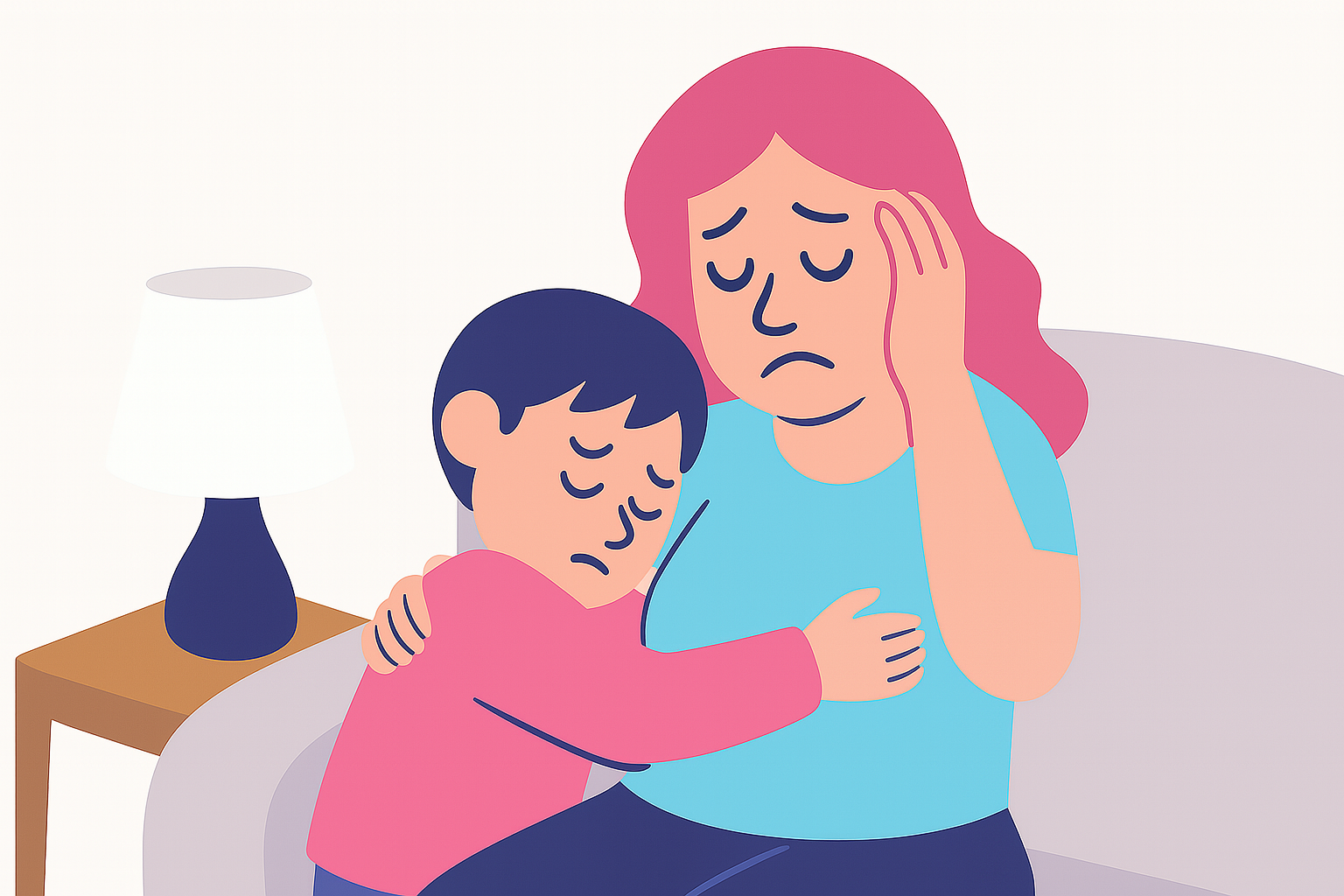
You didn’t plan to yell. But it happened.
One moment you were asking nicely. The next, your voice rose, your patience snapped, and your child stood frozen, confused or crying, and now, the house is quiet in the worst way. And here it comes: that heavy, familiar ache we know as mom guilt. It’s a heavy feeling in your chest when you believe you’ve failed the very people you love most. It’s real. It’s sharp. And it can feel like you broke something you can’t fix. But you haven’t.
So, let’s gently walk through what comes next, not with judgment, but with compassion, honesty, and hope.
Why Yelling Feels So Awful
You love your child. Deeply. That’s why the yelling hurts so much. But yelling doesn’t make you a bad mom. It makes you a human being one who is likely overwhelmed, overstimulated, and running on too little sleep, time, or support. Still, mom guilt after yelling, doesn’t wait for explanations. It rushes in with a harsh voice that says:
- You should know better.
- You’re ruining everything.
- A good mother wouldn’t have yelled.
This is what mother guilt does: it convinces you that one bad moment defines all the good ones. But it doesn’t. Not even close.
Understanding the Guilt Spiral
After yelling, it’s common to fall into a guilt spiral:
- You feel ashamed.
- You withdraw or overcompensate.
- You replay the moment again and again.
- You start to believe you’re not enough.
But here’s a truth worth holding: Guilt is only helpful when it leads to repair, not when it drags you into shame. You can feel mom guilt and still choose to move forward with kindness.
What to Do After You Yell
This part matters even more than the outburst itself. You can model what healing looks like for your child and for yourself.
1. Pause and Breathe
Before saying anything, take a moment to ground yourself. You’re not a monster, you’re a mom who’s been pushed to her edge.
2. Reconnect
Get down to your child’s eye level. Offer a soft tone. Let your face say what your words haven’t yet.
“I’m sorry I yelled. That wasn’t okay, and you didn’t deserve that.”
This doesn’t erase the moment, it rewrites what comes after it.
3. Acknowledge Without Excusing
“I felt overwhelmed and frustrated, but I shouldn’t have raised my voice. That’s on me.”
You’re not making excuses. You’re showing your child how to take responsibility with love.
4. Offer Comfort and Safety
Sometimes, a hug says it all. Reassure them that your love hasn’t changed, and neither has their safety with you.
5. Reflect With Kindness
Don’t skip this part. Guilt without reflection only becomes self-punishment.
Ask yourself:
- What triggered me?.
- Was I under-resourced, hungry, tired, touched-out?.
- What would I say to a friend in this situation?.
Letting Go of Mom Guilt (Without Letting Go of Growth)
Mother guilt tells you you’re failing. Mom guilt whispers that your child will remember only the worst parts of you. But, children are more resilient than we think, and they’re more forgiving than we are with ourselves. What they remember most is not that you yelled, but that you came back. That you owned your mistake and showed them how to repair and reconnect.
Letting go of mom guilt isn’t about pretending you never yell. It’s about not letting guilt become your identity.
Final Words for the Mom Still Hurting
You are not the sum of your loudest moments.
You are not defined by the snap of a voice or the look of regret that follows.
You are defined by your return. By your softness. By your willingness to try again.
Motherhood isn’t about being perfect, it’s about being present, even after the hard parts.
So if you yelled today, but you showed back up with tenderness, you are still a good mother and You always were.
If you’re still struggling to let go of the heaviness, this deeper guide on how to let go of mom guilt offers emotional support and practical steps for moving forward with self-compassion.



Leave a Reply