

Guilt Has Many Faces
Whether you’re punching in at a 9 to 5 job or managing the chaos of a household full-time, one thing remains heartbreakingly consistent for many moms which is guilt or Mom guilt , as it’s sometimes called. It shows up in boardrooms, kitchens, minivans, and nursery rooms, home or at work, almost everywhere. While the triggers may differ, the emotional weight feels just as heavy.
This article explores both working mom guilt and stay-at-home mom guilt and of course not to pit one against the other, but to show that both experiences are valid, deeply emotional, and shaped by impossible societal expectations.
Working Mom Guilt: The Pull Between Career and Care
Working moms often live in a constant state of tug of war. On one end is the desire to grow, provide, and succeed in a career. On the other is the yearning to be fully present for their children’s milestones, needs, and emotions.
Guilt for not attending every school event, for missing bedtime due to deadlines, or for simply enjoying time at work, these feelings are common. There’s a cultural message that whispers, “If you’re not physically there, you’re not doing enough as a mom”. This guilt isn’t just emotional it could eventually lead to burnout in motherhood, compounded by emotional labor both at home and work. You’re juggling meetings and meal plans, playdates and project deadlines. It’s no wonder so many working moms feel like they’re failing at both.
Stay-at-Home Mom Guilt: The Pressure to Do It All, With Nothing to Prove It
Stay-at-home moms, despite being present physically, often wrestle with a quieter but equally loud kind of guilt. Society can downplay or dismiss their work, making them feel like they need to constantly justify how they spend their time.
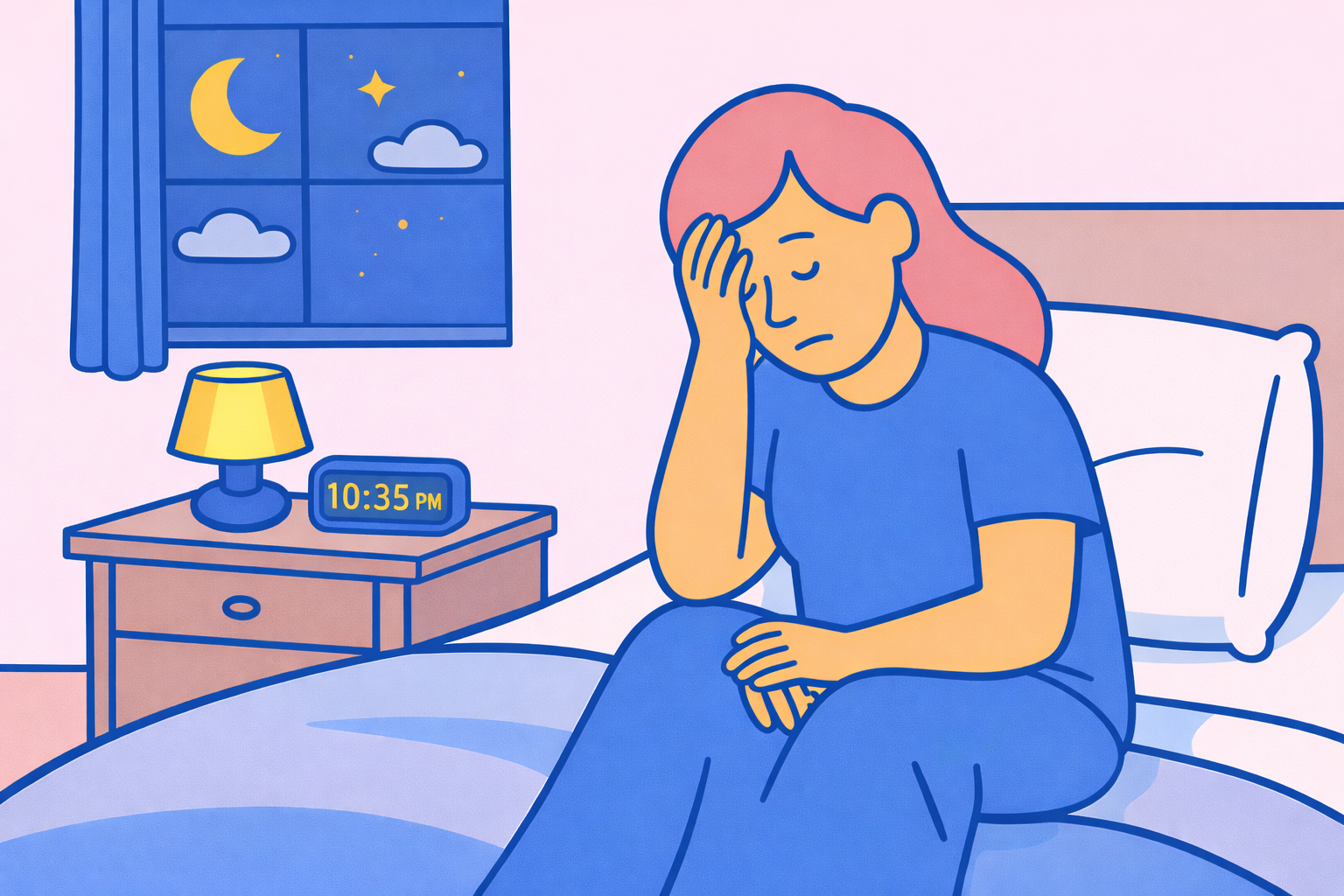
There’s guilt for feeling exhausted even though you “don’t have a job.” Guilt for craving adult conversation. Guilt for wanting a break from the very children you’re told you’re lucky to be with all day. And when milestones aren’t met, or tempers flare, or routines unravel stay-at-home moms may feel they have no one to blame but themselves. The emotional labor is relentless, and the mental load never ends.
Mother Guilt Is Universal and Deeply Rooted
At its core, mother guilt often stems from the unrealistic belief that being a good mom means being everything, all the time, to everyone. For the working mom, it says: “You should be home more.” For the stay-at-home mom, it says: “You should be doing more”. No matter what side of the coin you’re on, the result is the same: questioning your worth, doubting your choices, and feeling like a bad mom — even when you’re doing your best.
So What Does Being a Good Mom Really Look Like?
Being a good mom isn’t about the hours clocked or the Pinterest-worthy moments. It’s about showing up with love, consistency, and presence, whether that’s in 15 minutes of focused play after work or a quiet moment of connection during a busy day at home. being a good mom is about recognizing that both working moms and stay-at-home moms are allowed to feel overwhelmed, frustrated, fulfilled, and proud, often in the same breath.
It’s time to redefine success in motherhood. Not by what you do or how you compare, but by how you show up with the resources, support, and capacity you have.
You’re Doing Better Than You Think
Guilt may wear many faces, but it doesn’t define your worth as a mom. Whether you work outside the home, stay in it, or something in between, you deserve compassion, credit. And remember, you’re not failing. You’re mothering and that’s enough.
More Stories from Moms Around the World
You’re not alone in how you feel. Around the world, moms in different circumstances are wrestling with guilt, identity, and burnout — whether they work 9-to-5, work from home, or stay home full-time. These powerful reads capture the emotional realities moms face today — and might help you feel a little more seen:
- Solo travel is a growing trend among moms — but it often comes with guilt – Business Insider: Real stories of moms seeking time alone and how deeply ingrained mom guilt shows up, even in self-care. Read here
- Remote Working, Gender Roles, and Emotional Fatigue in Mothers During COVID-19 – Frontiers in Psychology: A research-backed deep dive into emotional labor, gender expectations, and burnout in work-from-home moms. Read here
- Stay-at-home moms have the highest levels of stress, study says – Motherly: This eye-opening study challenges assumptions and shows the overlooked pressure on stay-at-home mothers. Read here
Read More Related Articles
We wrote many articles about mom guilt just to support you. Check other articles here:


Leave a Reply