

Pregnancy depression can feel confusing and overwhelming, especially because pregnancy is such a major life change. You’re expecting a new member in your family, growing a whole human being inside you, and your body is going through a roller coaster of hormonal and physical changes. Along with all that comes emotional weight that can take a toll on you.
This time in your life can feel heavy. Nausea in most cases lasts all day, not just in the morning. You may lose interest in everything except sleep, feeling gloomy and tired all the time while still trying to manage your daily responsibilities. Even if you’re a first-time mom without other kids to chase after, it’s still exhausting to handle daily chores while coping with these symptoms. That alone is hard enough, add high-risk conditions during pregnancy, and it can be even more overwhelming.
The Lack of Motivation
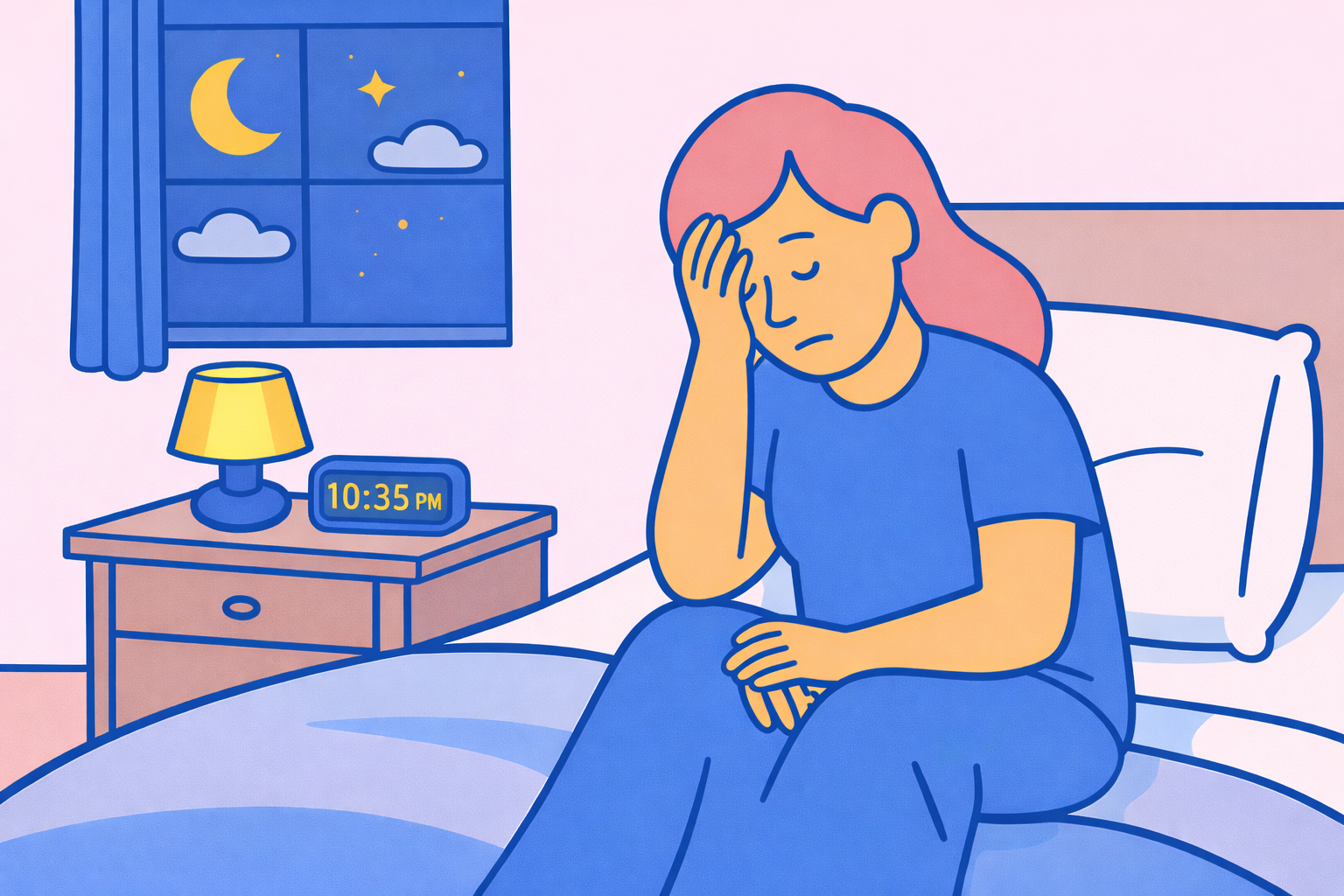
You go to bed at night after a long day of fatigue and constant nausea, desperate for deep rest. But instead of peace, you find yourself waking up several times to use the bathroom, struggling to find a comfortable position, or sitting up to ease heartburn. By morning, you’ve barely slept, and the cycle starts again with the same draining nausea.
A scenario like this can break anyone, let alone a woman whose hormones are in constant flux. It’s easy to lose motivation, to stop finding joy in daily activities or even in things you used to love. If you’re feeling like this, you are not alone.
The Cause
Pregnancy depression, or antenatal depression, is more common than many realize. It’s linked to a combination of hormonal changes, physical strain, and emotional stress. During pregnancy, levels of estrogen and progesterone rise sharply, which can affect neurotransmitters that regulate mood. Combine that with physical exhaustion, morning sickness, body image changes, and anxiety about motherhood, and it’s no surprise that many women experience depression during pregnancy.
According to the American College of Obstetricians and Gynecologists (ACOG), about one in eight women experience symptoms of depression during pregnancy. Recognizing these signs early and seeking help is key, not only for your well-being but also for your baby’s health.
What You Can Do About It
The first step is to acknowledge how you feel without guilt. Pregnancy depression doesn’t mean you’re weak or ungrateful; it’s a medical condition that deserves care and compassion.
Here are a few ways to cope:
- Talk to your doctor or midwife: They can screen for depression and recommend safe treatments or therapy options suitable for pregnancy.
- Prioritize rest without isolation: Take naps when you can, but also step outside, get sunlight, and move your body gently. Even short walks can lift your mood.
- Eat regularly and stay hydrated: Low blood sugar and dehydration can worsen fatigue and nausea.
- Build a simple daily routine: Small wins like making your bed or doing one short chore can create a sense of control and normalcy.
- Seek therapy or support groups: Talking to other moms going through similar struggles can be incredibly validating and healing.
How to Involve Your Loved Ones
Depression thrives in silence. Sharing your feelings with loved ones helps them understand how to support you. Explain that what you’re experiencing isn’t “just moodiness” but part of the hormonal and emotional weight of pregnancy.
Here’s how your family can help:
- Your partner: Encourage open communication. Let them know when you need help with chores or emotional support instead of expecting them to read your mind.
- Family and friends: Ask for help with meals, errands, or childcare if you have other kids. Their support can make a big difference.
- Social support: Join prenatal classes or online communities where you can connect with other expectant moms who understand what you’re going through.
If your mood continues to worsen, seek professional help right away. Therapists, counselors, or perinatal psychiatrists can help you navigate this safely, and many treatments are compatible with pregnancy.
Final Thoughts
Pregnancy is often portrayed as a time of glowing happiness, but for many women, it’s also a time of deep emotional struggle. Feeling depressed doesn’t make you a bad mother, it makes you human. Your mental health matters just as much as your physical health, and reaching out for help is an act of strength, not weakness.
Be kind to yourself. Some days will feel harder than others, and that’s okay. Step by step, you’ll find your rhythm again; and remember, you’re already doing something amazing by carrying life while finding ways to care for your own.


Leave a Reply