
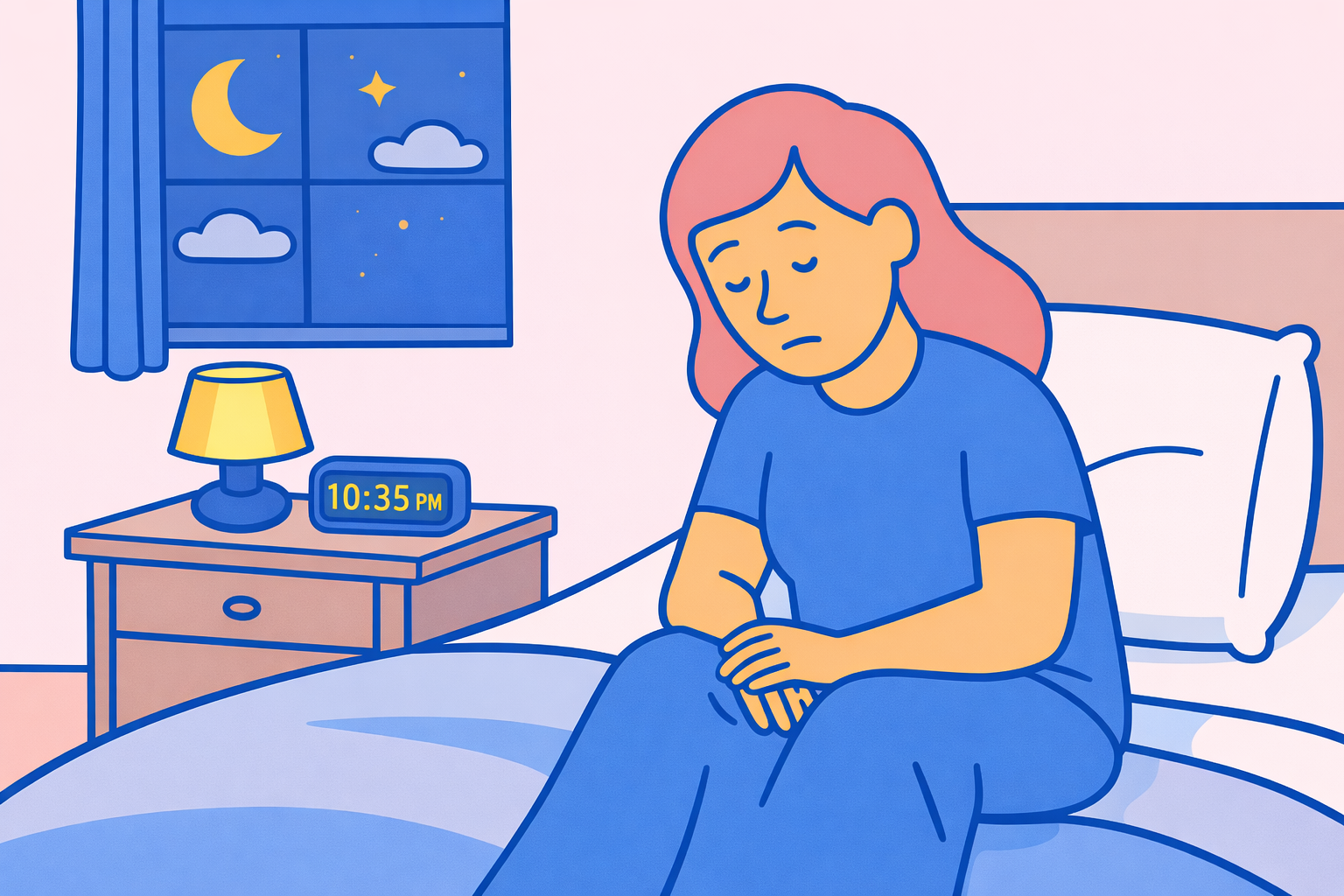
By the time night arrives, many moms feel something they can’t quite name. The day is over, the house is quiet, and yet there’s a lingering heaviness that doesn’t fade with rest. It’s not just tiredness. It feels deeper than that.
This is what many moms experience as an emotional hangover. After giving, managing, and holding everything together all day, emotions settle in once the noise stops. The body slows down, but the emotional weight of the day remains.
What an emotional hangover actually feels like
An emotional hangover doesn’t always come with clear thoughts. Sometimes it shows up as a dull ache in your chest, a sense of overwhelm, or the urge to replay the day in your mind. You might feel sensitive, irritable, or quietly sad without knowing exactly why.
It’s the emotional residue left behind after a long day of regulation, patience, and responsibility. Even if nothing “bad” happened, the accumulation of small moments can still weigh on you at night.
Why it shows up after the day ends
During the day, there’s no room to process how you feel. You move forward because you have to. Emotions are managed quickly so you can respond to the next need.
At night, that momentum stops. Your nervous system finally slows, and emotions that were pushed aside have space to surface. The emotional hangover isn’t caused by nighttime. It’s revealed by it.
How emotional labor builds quietly throughout the day
Much of what drains moms emotionally is invisible. Holding patience, staying calm, anticipating needs, and managing everyone else’s feelings takes constant effort. Even small interactions require emotional presence.
By the end of the day, that effort adds up. You may not remember every moment that contributed to the exhaustion, but your body remembers. Nighttime is when that emotional labor finally demands to be felt.
When emotional hangover blends into guilt
As emotions surface, guilt often joins them. You may question how you handled the day or focus on moments you wish you could redo. The emotional hangover creates a vulnerable state, and guilt can easily attach itself there.
This is why mom guilt often feels stronger at night, when emotional defenses are low and reflection turns inward. What felt manageable during the day can feel heavy and personal once everything goes quiet.
Why rest doesn’t immediately fix it
An emotional hangover doesn’t disappear the moment you lie down. Rest helps, but emotional recovery takes time. You can be physically still while emotionally processing everything you carried earlier.
This doesn’t mean you’re failing at rest. It means your system is unwinding layers that didn’t have space to surface before. Emotional exhaustion needs gentleness, not pressure to feel better quickly.
What helps when the emotional weight lingers
The goal isn’t to analyze every feeling or fix the day before sleep. What helps more is allowing the emotions to exist without judgment. Naming the experience, even quietly to yourself, can ease its intensity.
You don’t need to solve anything at night. The emotional hangover doesn’t require action. It requires permission to be unfinished, to let the day end without grading yourself.
What to remember when nights feel heavy
Feeling an emotional hangover at night doesn’t mean you’re weak or overly sensitive. It means you gave a lot of yourself during the day. Emotional fatigue is often a sign of care, not failure.
Tomorrow will feel different. Daylight brings movement and perspective that nighttime doesn’t offer. For now, it’s enough to rest your body and allow your emotions to settle at their own pace. You don’t have to make sense of everything before sleep.
If this experience feels familiar, you may want to read more about why mom guilt often surfaces at night


Leave a Reply