
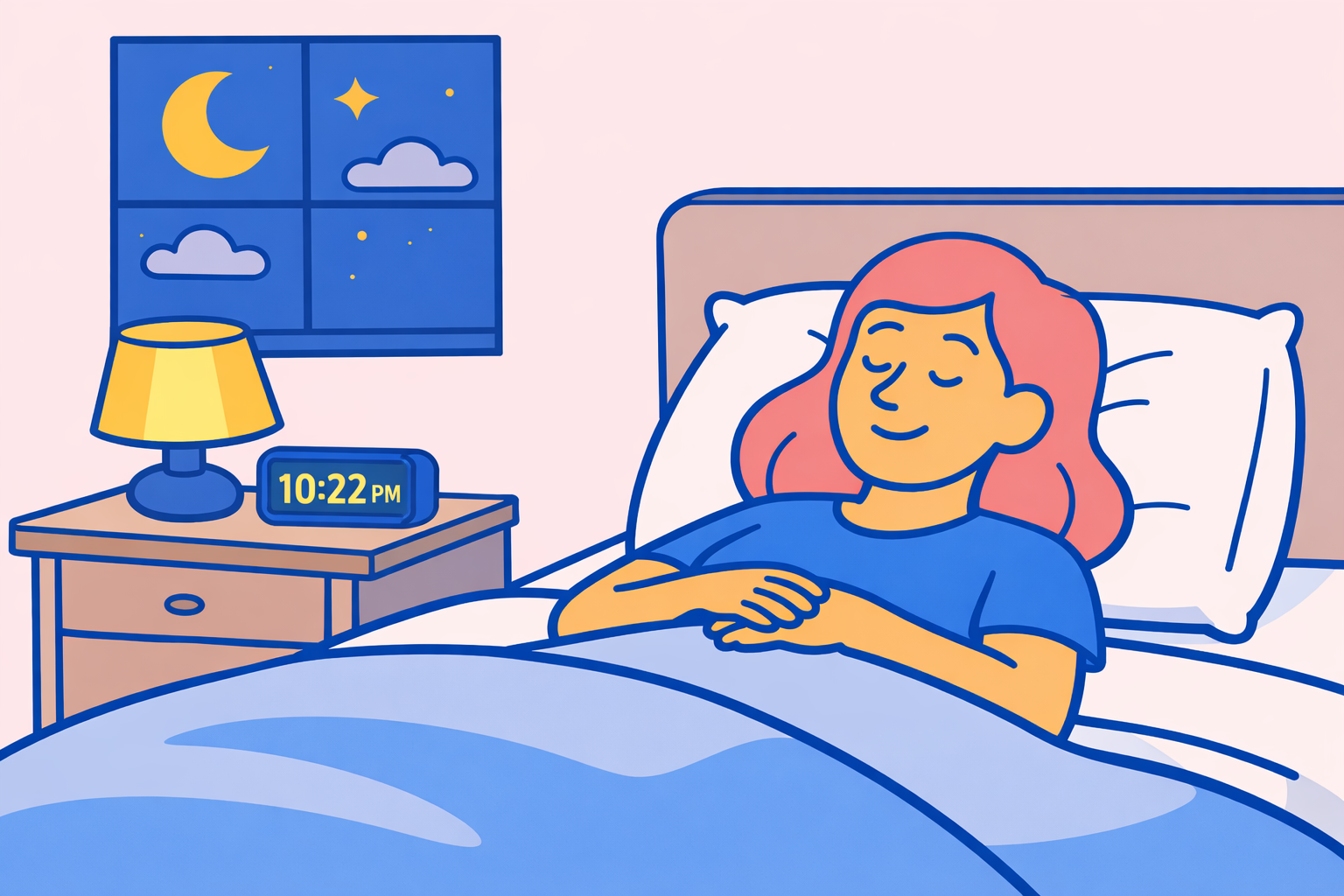
By the time night arrives, many moms aren’t just tired. They feel wired, tense, and unable to fully relax, even when the house is quiet. Your body may be exhausted, but your nervous system still feels alert, as if the day hasn’t really ended.
This isn’t a personal failure or a sign that you don’t know how to rest. It’s often the result of spending the entire day in a state of responsibility and emotional regulation. Calming your nervous system at night isn’t about forcing relaxation. It’s about helping your body recognize that it’s finally safe to slow down.
Why your nervous system stays activated at night
Throughout the day, your nervous system works hard to keep everything running. You respond to needs, manage emotions, solve problems, and stay mentally available. Even small decisions require energy and focus.
At night, when the activity stops, your body doesn’t automatically switch off. It’s been on high alert for hours. Without a clear signal that the day is over, your nervous system may stay activated, which can feel like restlessness, racing thoughts, or emotional heaviness.
The difference between resting and calming
Lying down doesn’t always mean your nervous system is resting. You can be physically still while your body remains tense inside. Calming your nervous system is less about what you do and more about how safe your body feels in that moment.
Many moms try to relax by scrolling, thinking, or distracting themselves. While this may pass time, it doesn’t always help the body truly settle. What your nervous system needs at night is reassurance, not stimulation.
How nighttime calm actually begins
Calming your nervous system often starts with slowing down transitions. Going straight from cleaning, planning, or caretaking into bed can keep your body in action mode. Even a brief pause that marks the end of the day can help signal safety.
This doesn’t need to be complicated. Gentle movements, quieter lighting, or a few slow breaths can help your body understand that nothing is being asked of it anymore. The goal isn’t perfect calm. It’s a gradual softening.
Why emotions surface when your body slows
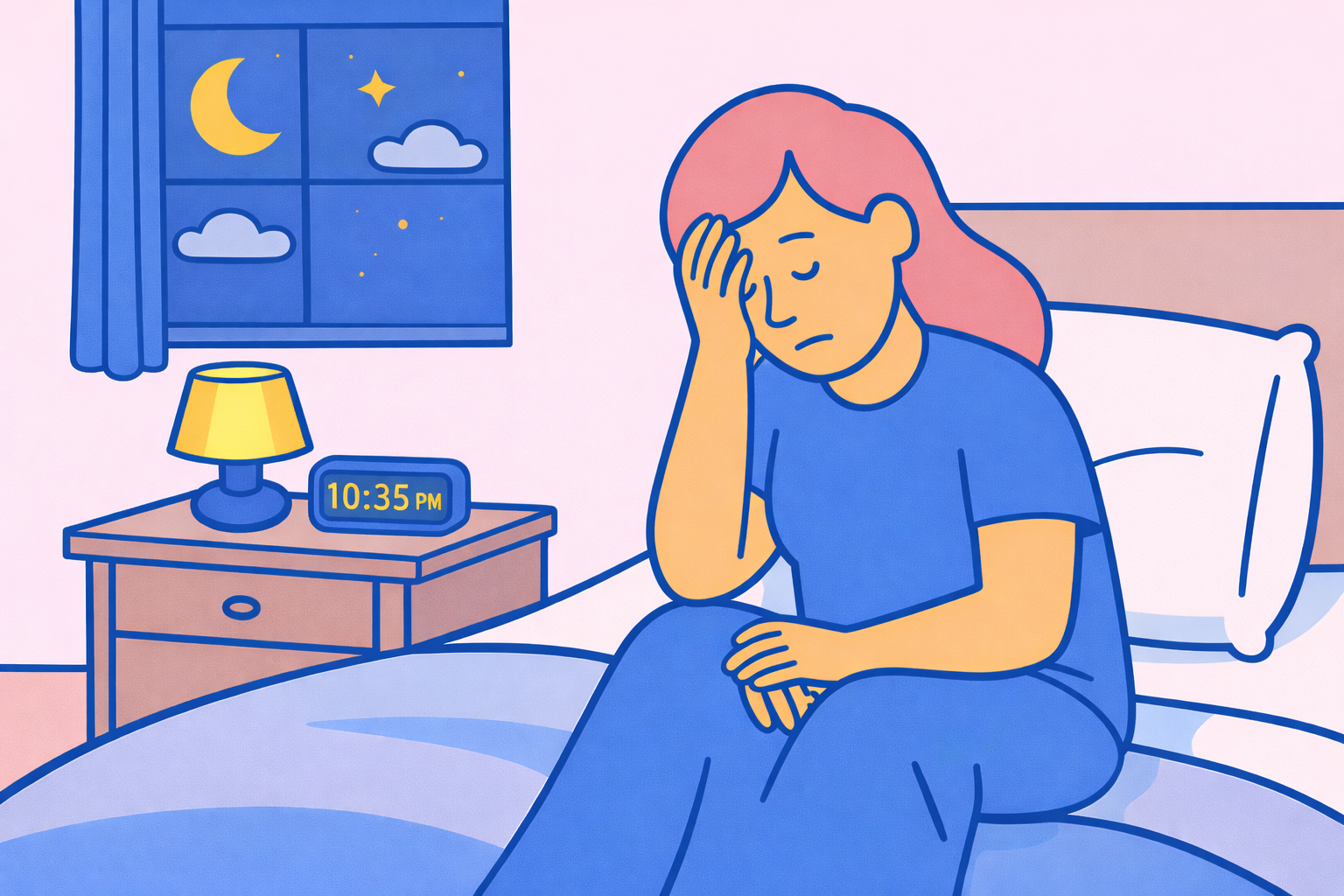
As your nervous system begins to settle, emotions that were held back during the day may rise. This can feel uncomfortable, but it’s often a sign that your body is releasing tension rather than holding it in.
Many moms notice that guilt, worry, or self-criticism shows up during this time. That’s not because calming down causes these feelings. It’s because the noise has finally faded enough for them to be noticed.
This is closely connected to why mom guilt often appears at night, once everything goes quiet and the nervous system starts to unwind.
What helps your body feel safe enough to rest
Your nervous system responds to consistency and gentleness. Small, repeatable signals that the day is ending can help over time. When your body learns what to expect at night, it becomes easier to relax without effort.
It’s also important to lower expectations. You don’t need to feel peaceful to be allowed to rest. Calm doesn’t have to be dramatic or immediate. Sometimes it shows up quietly, as a slight release of tension or a deeper breath you didn’t realize you needed.
What to remember on nights that still feel hard
Some nights, your nervous system won’t fully settle, no matter what you do. That doesn’t mean you did something wrong. It means your body has been carrying a lot.
Rest can still happen, even when calm feels incomplete. Lying down, slowing your breathing, and allowing yourself to stop performing is still valuable. Your nervous system learns over time, not in a single night.
You don’t need to fix yourself before bed. You don’t need to reach a certain emotional state to deserve rest. The fact that you’re trying to slow down at all is enough.
If nighttime emotions or guilt tend to surface as your body settles, you may find this helpful


Leave a Reply