
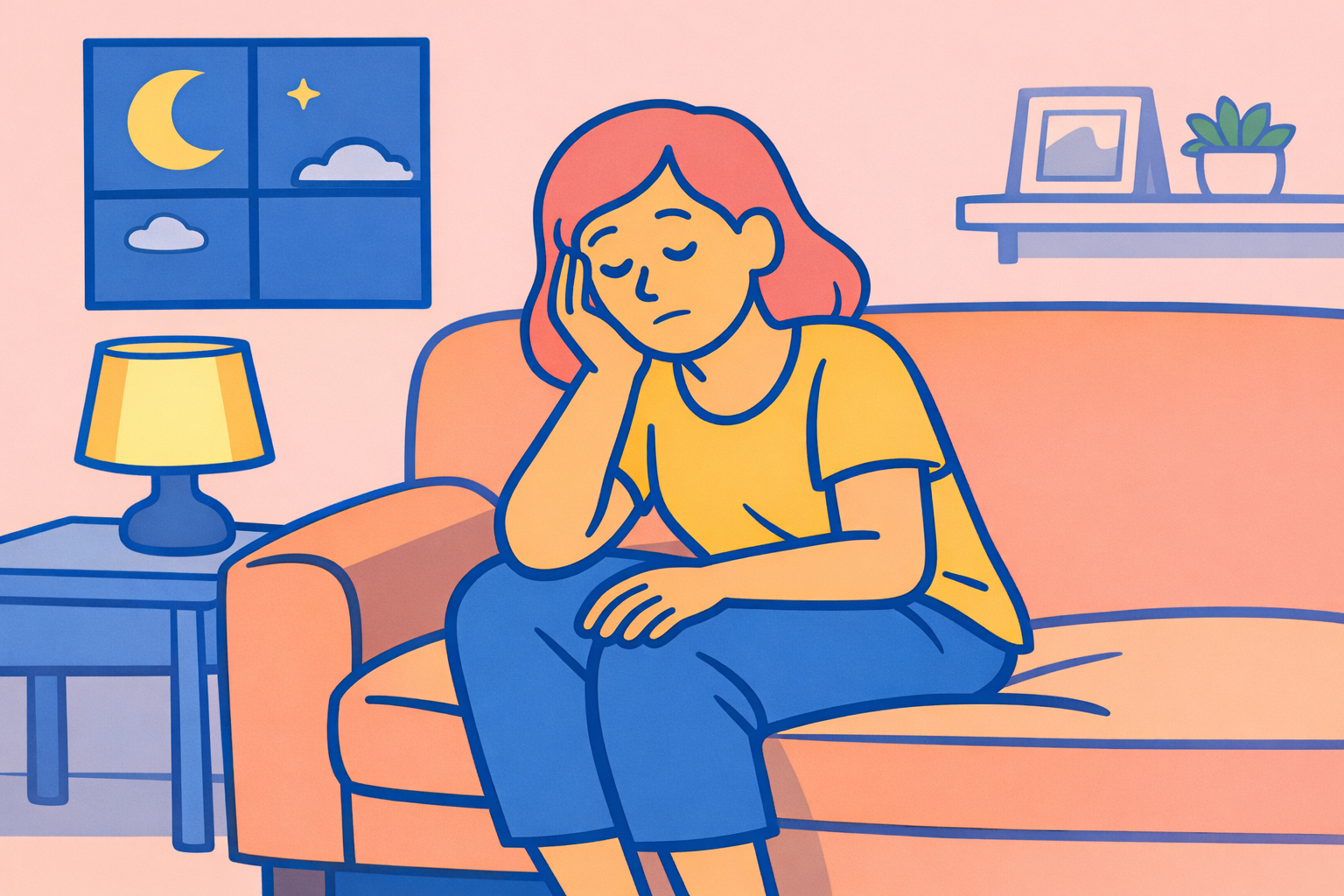
By the end of the day, your body might feel tired, but what weighs heavier is the emotional exhaustion. You sit down after everything is finally done, and instead of relief, you feel empty. Not sad exactly. Not angry. Just drained in a way sleep alone doesn’t seem to fix.
Many moms experience this emotional fatigue daily, even on days that don’t look especially hard from the outside. Feeling emotionally drained doesn’t mean you had a bad day or that you’re ungrateful for your life. It often means you’ve spent the day giving, regulating, and holding space for others without much time to refill yourself.
Emotional exhaustion is more than physical tiredness
Physical tiredness comes from doing too much. Emotional exhaustion comes from feeling too much for too long. Throughout the day, you manage not just tasks, but emotions. You stay patient when you’re overwhelmed. You comfort others when you’re running low. You keep things moving even when you need a pause.
By nighttime, that emotional effort catches up with you. Your body may be able to keep going, but your emotional reserves are depleted. This is why rest doesn’t always feel restorative. Your exhaustion isn’t only physical. It’s emotional.
Why moms carry so much emotional weight during the day
Motherhood requires constant emotional awareness. You read moods, anticipate needs, and adjust your responses to keep things steady. Often, this emotional work goes unnoticed because it’s invisible. But it takes energy.
You might not realize how much you’re carrying until the day ends and your emotions finally slow down. That’s when the emotional drain becomes impossible to ignore. The quiet makes you aware of how much you’ve been holding together.
When emotional exhaustion shows up at night
At night, emotional exhaustion often shows up as numbness, irritability, or a heavy sense of overwhelm. You might feel disconnected from yourself or unusually sensitive. Small thoughts feel big. Minor worries feel heavier than they should.
This is also when self-judgment can creep in. You may start replaying the day and questioning how you handled things. Emotional exhaustion lowers your ability to give yourself grace, especially when you’re alone with your thoughts.
The connection between emotional drain and nighttime guilt
When emotional exhaustion meets quiet, it often turns into guilt. You may judge yourself for being impatient, for not doing enough, or for feeling tired in the first place. Guilt can feel louder at night because there are no distractions left to soften it.
This is closely connected to why mom guilt often hits hardest at night, after a long day of emotional labor.
Why emotional rest is different from physical rest
Sleeping helps your body recover, but emotional rest requires something else. It comes from moments where you don’t have to manage, respond, or hold space for anyone else. Many moms go days without true emotional rest, even if they get enough sleep.
When emotional rest is missing, exhaustion builds quietly. You might function well during the day, but by night, the emotional fatigue feels unavoidable.
What to remember when you feel emotionally drained
Feeling emotionally drained at the end of the day does not mean you’re failing or weak. It means you’ve been emotionally present, attentive, and responsible for many hours. Emotional exhaustion is often a sign of how much you care, not how little you’re capable of.
You don’t need to fix everything tonight. You don’t need to analyze your day or judge yourself for feeling empty. Tomorrow will feel different in daylight. For now, it’s enough to let your body rest and allow your emotions to settle without pressure.
You gave a lot today. Feeling drained doesn’t erase that.


Leave a Reply