
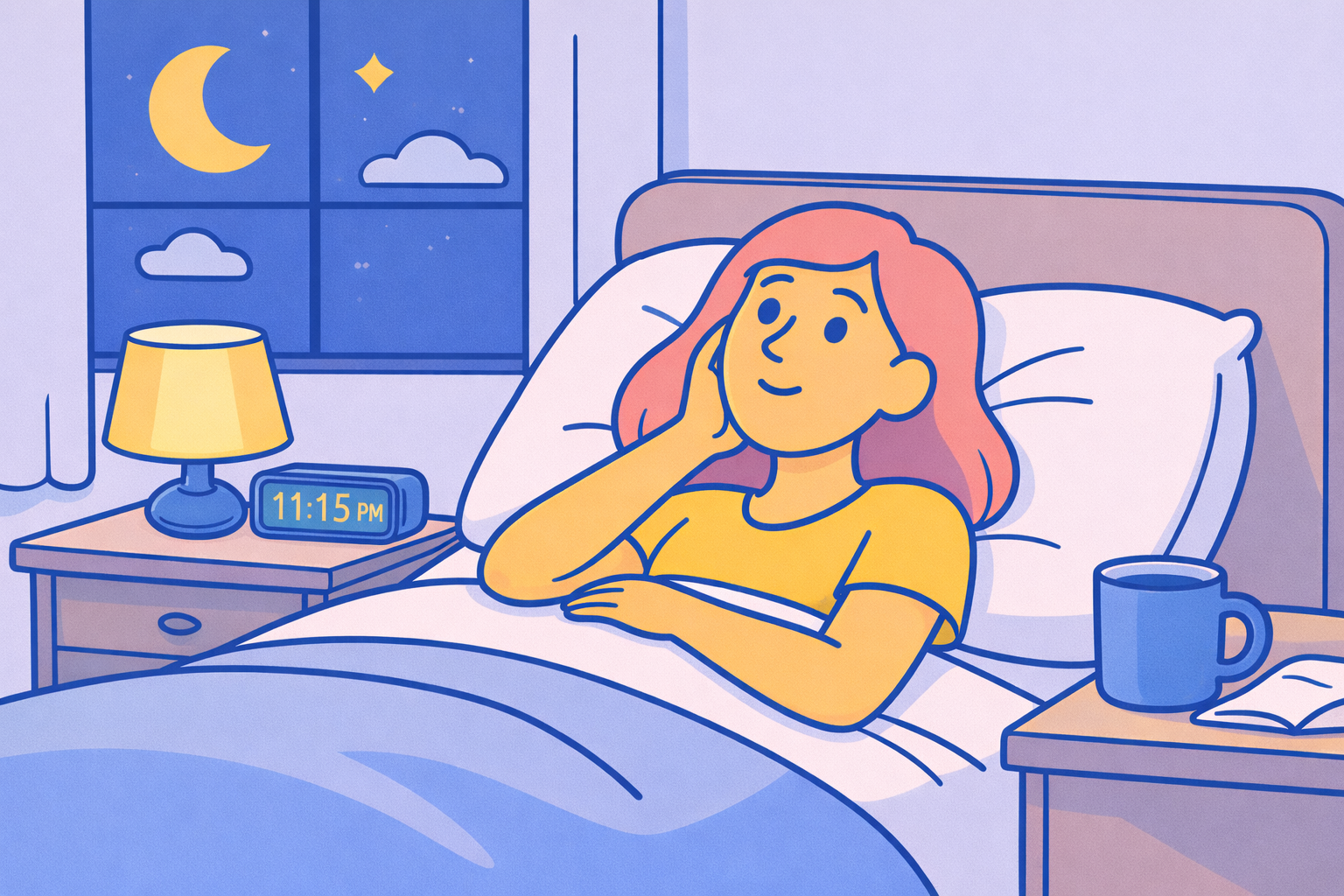
After bedtime, the house finally settles. The noise fades, the lights dim, and the day officially ends. This should feel like relief. But for many moms, it’s when a quiet pressure starts to build. No one is asking for anything anymore, yet your mind feels heavier than it did all day.
This pressure doesn’t come from the kids or the outside world. It comes from within. The expectations you carry for yourself rise once everything goes quiet. Thoughts surface about how you should have handled the day, what you could have done better, and who you believe you’re supposed to be as a mom.
Why the pressure gets louder after bedtime
During the day, there’s no space to reflect. You’re busy responding, managing, and moving forward. Even if expectations exist, they stay in the background because survival mode takes over.
At night, that distraction disappears. Your mind finally has room to review the day, and self-expectations step into that space. The quiet makes every thought clearer. What you brushed off earlier suddenly feels important, and the pressure to measure up grows louder.
The expectations no one else sees
Much of the pressure moms feel at night comes from invisible standards. You might expect yourself to be more patient, more organized, more present, or more emotionally balanced. These expectations are rarely spoken out loud, but they carry weight.
After bedtime, you may replay moments from the day and judge yourself against these internal rules. Even when no one else is criticizing you, your own voice can feel demanding. This pressure isn’t always logical, but it feels real because it’s tied to how deeply you care.
When self-pressure turns into emotional weight
The pressure moms put on themselves doesn’t always feel sharp. Sometimes it shows up as heaviness. A sense that you should be doing more, feeling differently, or being better, even when you’re exhausted.
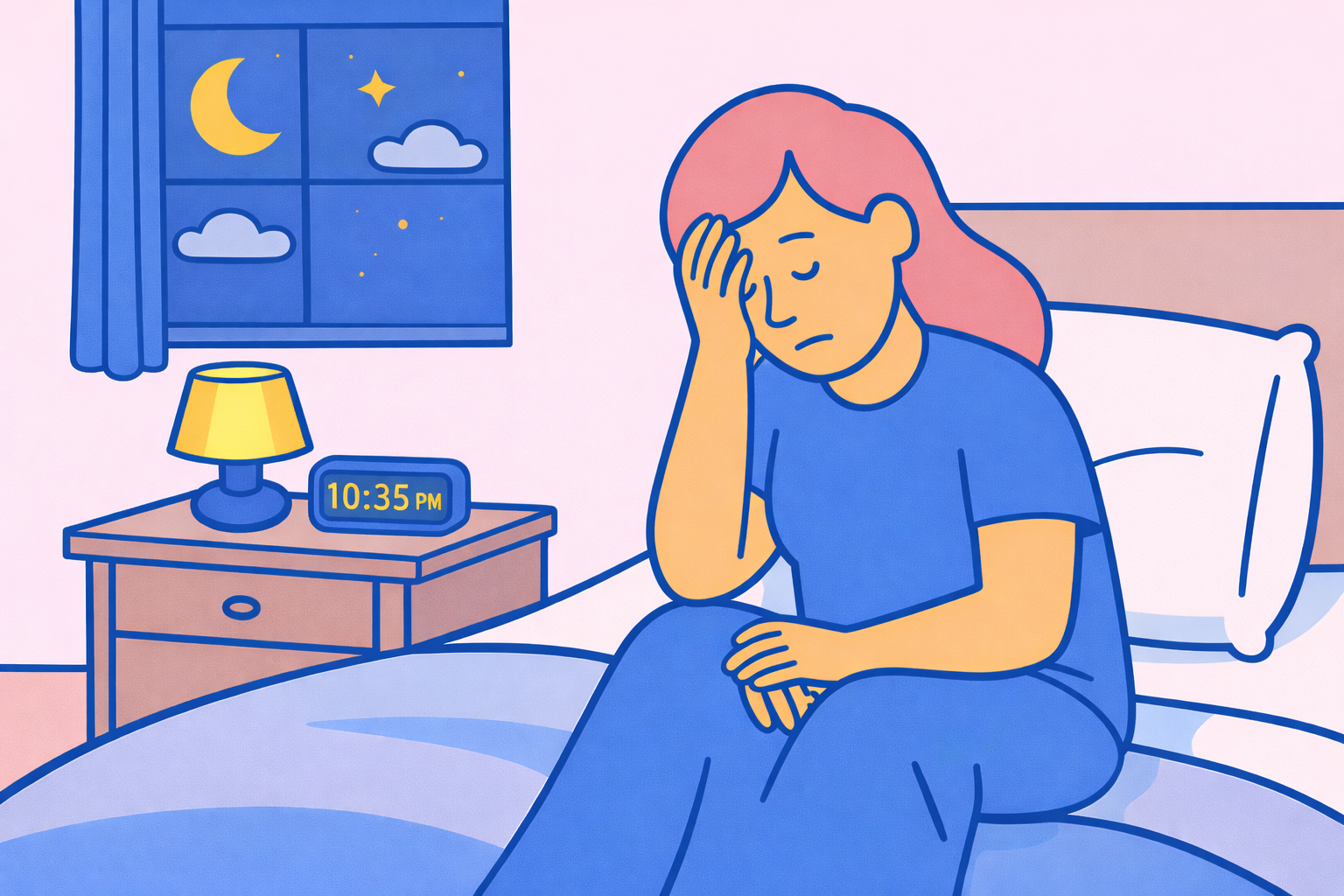
At night, when your energy is low, that pressure can feel overwhelming. There’s less emotional resilience left to challenge it. Instead of problem-solving, your mind circles around self-evaluation, which can leave you feeling drained and uneasy.
How pressure differs from guilt, but still connects to it
Self-imposed pressure isn’t the same as guilt, but the two are closely linked. Pressure is about expectations. Guilt is about feeling like you didn’t meet them. After bedtime, pressure often comes first, followed by guilt when you decide you fell short. This pattern is especially common at night, when exhaustion makes self-judgment feel heavier.
Why nighttime makes self-judgment harder to escape
At night, your brain isn’t at its strongest. Fatigue lowers your ability to see situations clearly or extend compassion to yourself. Thoughts that might feel manageable during the day can feel absolute at night.
Without the balance of action or perspective, self-pressure can feel like truth instead of thought. You may believe your inner critic more than you should, simply because you’re tired and alone with it.
What to remember when the pressure feels heavy
The pressure you feel after bedtime doesn’t mean you failed the day. It means you care deeply about how you show up, even when no one is watching. That pressure comes from responsibility and love, not inadequacy.
You don’t need to evaluate your worth at the end of every day. You don’t need to decide if you were good enough before you sleep. Tomorrow will bring a softer lens, and daylight often changes how you see yourself.
For now, it’s enough to rest without judgment. The quiet doesn’t need your self-criticism. You already did what you could, even if your mind is telling a different story.
If this feels familiar, you may want to read more about why mom guilt tends to surface at night


Leave a Reply