
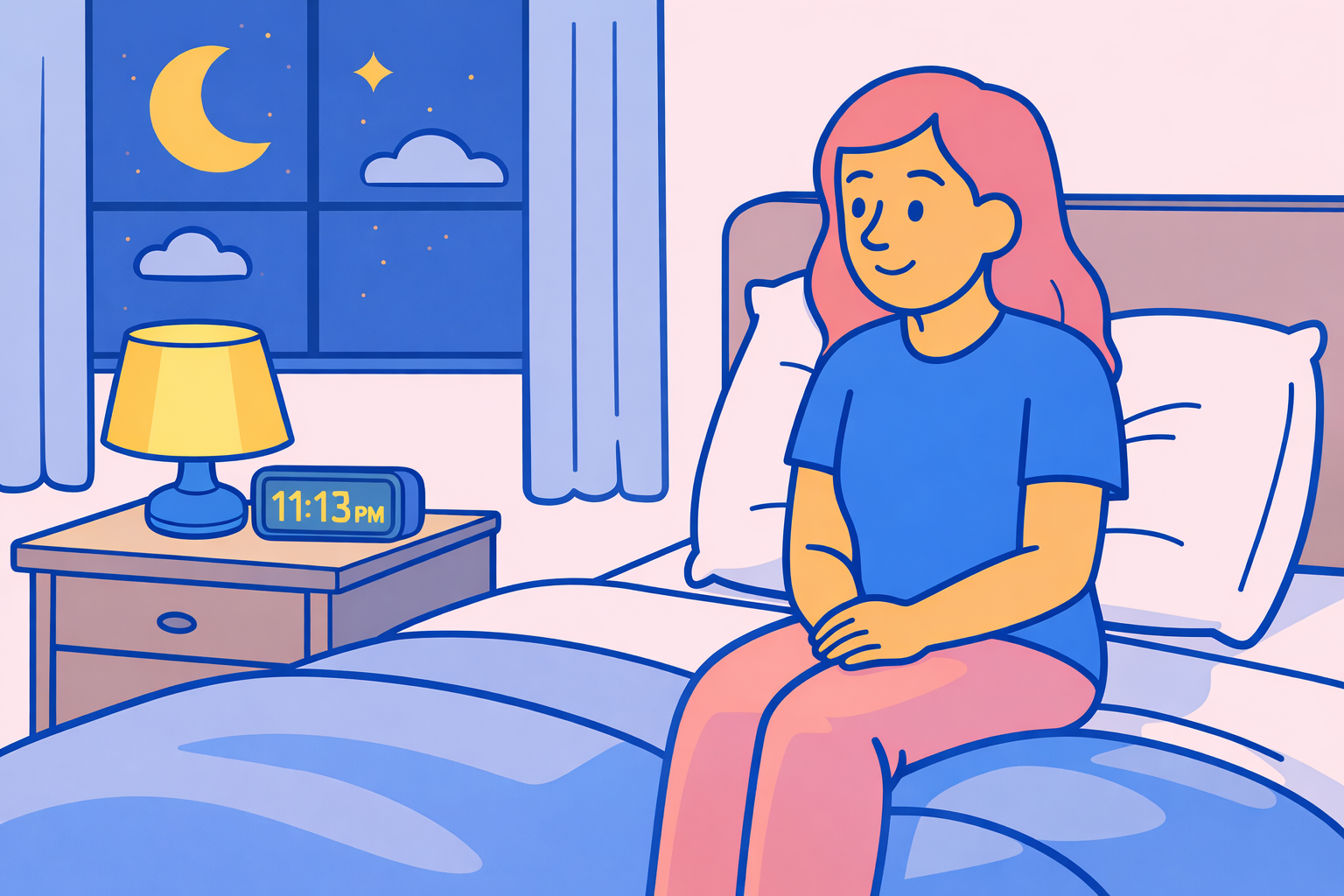
Mornings are busy, loud, and demanding, but for many moms, they feel strangely easier than nights. Even when mornings start early and move fast, there’s momentum. The day is beginning, and there’s a sense of purpose pulling you forward.
Nights are different. Once the house quiets down and the day officially ends, emotions tend to surface. What felt manageable in the morning can feel heavy at night. This is why so many moms find nights harder than mornings, even when they’re physically exhausted by the end of the day.
Mornings come with structure and direction
In the morning, there’s a built-in plan. Kids need to get ready. Breakfast needs to happen. Schedules guide your actions, even if they feel overwhelming. There’s little time to think deeply about how you feel because you’re focused on what needs to be done.
That structure can actually be grounding. It keeps your mind outward and active. Even if you’re tired, the forward motion helps carry you through.
Nights remove distractions and expose emotions
At night, that structure disappears. There are no immediate tasks demanding your attention. The noise fades, the lights dim, and suddenly there’s space to think. For many moms, that space feels uncomfortable.
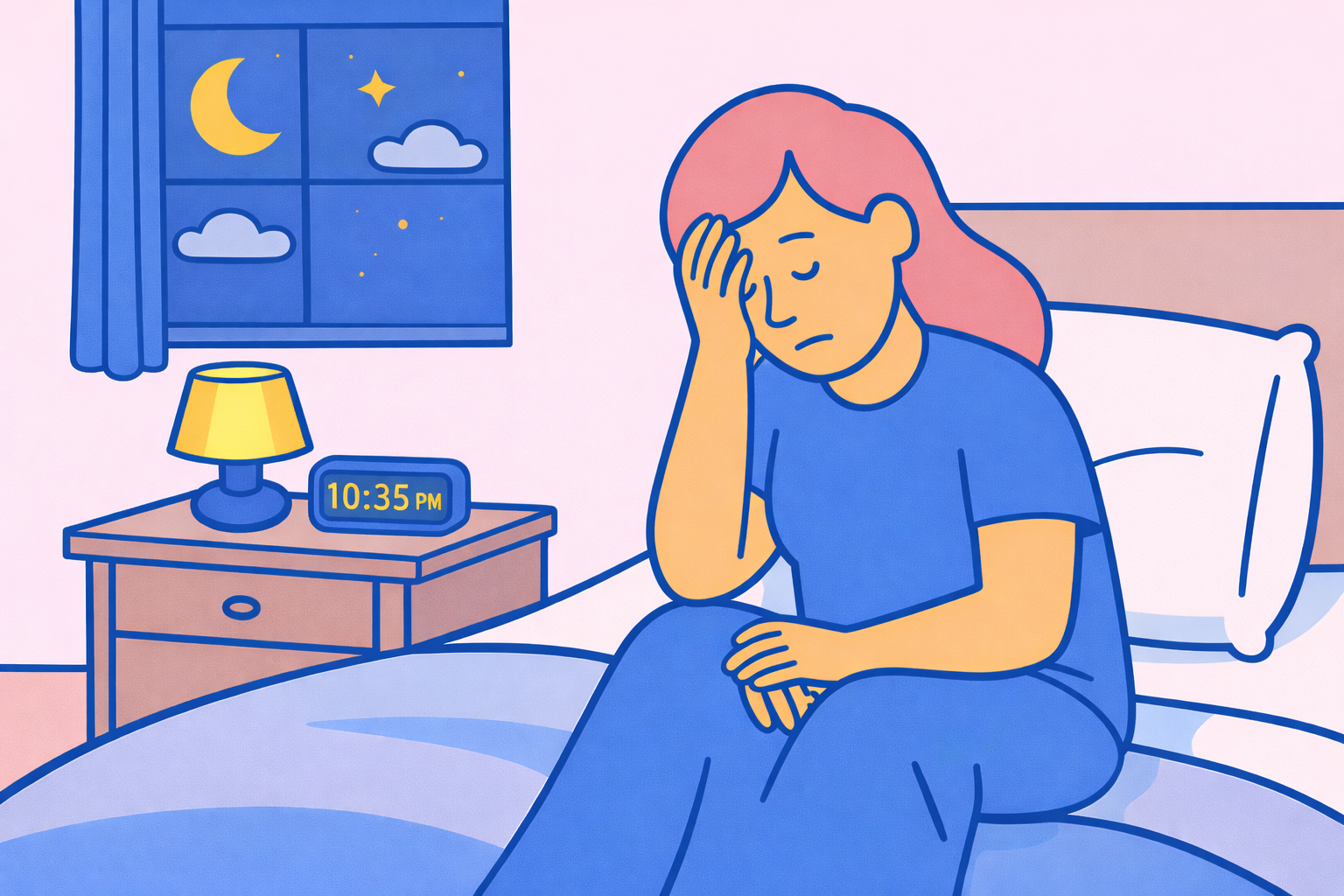
Thoughts you pushed aside all day come rushing in. You may replay moments, question decisions, or worry about things you can’t control. The quiet gives your mind room to turn inward, and that’s often when the silent pressure moms put on themselves after bedtime begins to surface.
Fatigue changes how thoughts feel at night
By nighttime, your emotional reserves are low. You’ve spent the day managing needs, regulating emotions, and making decisions. When you’re tired, your brain has a harder time staying balanced.
Thoughts that feel neutral in the morning can feel heavier at night. Self-doubt feels more believable. Worries feel more urgent. It’s not because problems are bigger at night. It’s because you’re more vulnerable when you’re exhausted.
Nights invite reflection, not action
Mornings are about action. Nights are about reflection. That shift matters. During the day, if something feels off, you can fix it or distract yourself. At night, there’s nothing to do but sit with your thoughts.
Reflection isn’t a bad thing, but when it happens without energy or perspective, it can turn into overthinking. Many moms don’t realize how much they rely on daytime movement to keep difficult emotions at bay.
Why guilt feels heavier at night
As reflection deepens, guilt often follows. You may think about what you didn’t do, how you reacted, or whether you lived up to your own expectations. Nighttime makes these thoughts feel more personal and more final.
This is closely connected to why mom guilt tends to show up after the day ends, when there’s no distraction left to soften it.
What to remember when nights feel heavier
If nights feel harder than mornings, it doesn’t mean something is wrong with you. It means you’ve been carrying a lot through the day, and nighttime is when your mind finally has room to speak.
You don’t need to solve your feelings at night. You don’t need to judge your day or decide what it meant. Morning will bring movement, perspective, and a different emotional lens.
For now, it’s enough to rest. Even if your thoughts linger, even if the quiet feels heavy, your body still deserves peace. Nights may feel harder, but they don’t get the final word.
If this feels familiar, you may want to read more about why mom guilt often surfaces at night


Leave a Reply